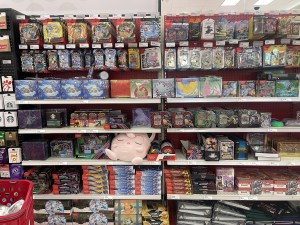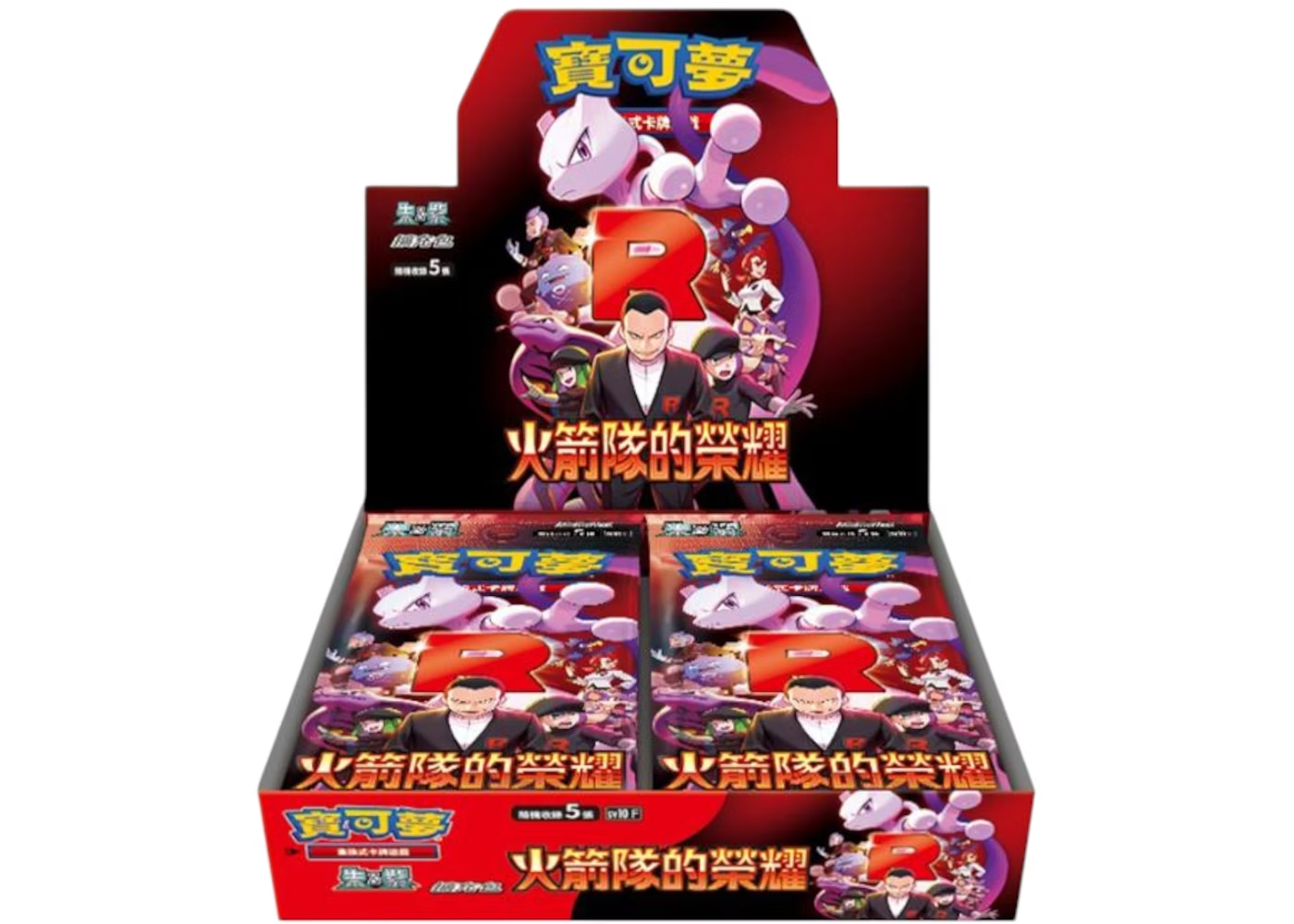
Japanese Pokémon cards sit in a completely different category to their English counterparts, and for resellers who have not yet explored that market, there is genuine money being left on the table. Japan produces exclusive artwork, unique promo stamps, event-only foils, and sets that release months ahead of the English equivalent, all of which drive collector demand across Western markets. The catch is that importing from Japan involves a layer of complexity that buying domestic stock simply does not, from navigating Japanese marketplaces and language barriers to understanding customs rules and spotting counterfeits before they cost you money.
This guide is written for resellers in both the UK and the US, covering the import process, landed cost calculations, authentication, and the best marketplaces so you can start sourcing with confidence regardless of which side of the Atlantic you are operating from.
Why Japanese Pokémon Cards Are Worth Importing
The core reason the Japanese market is so appealing to resellers comes down to exclusivity and timing. Japanese sets release on a different schedule to the English TCG, which means certain cards and alternate art versions are available in Japan weeks or even months before they appear elsewhere. Collectors in the UK, across Europe, and throughout the US who want those cards ahead of the English release are willing to pay a meaningful premium, and that premium is where the reseller margin lives. Beyond timing, there are prints that simply never leave Japan in official retail form, including event promos, store championship exclusives, and anniversary boxes that carry unique chase cards unavailable through any other channel.
The economics also stack up when you compare raw product prices. Japanese booster boxes typically retail at £60-£85 (roughly $75-$105 USD), roughly 30-50% cheaper than English sets. That gap is partially offset by shipping and import costs, but for resellers buying in volume or targeting high-value singles, the numbers can still work out favourably. Rarity structures in Japanese Pokémon sets also differ in ways that benefit buyers, with every Japanese booster box guaranteed to contain at least one Super Rare or higher, a guarantee that does not exist in English boxes. That pull guarantee makes Japanese sealed products more predictable, which matters if you are buying to crack and list singles rather than holding sealed stock.
Understanding the Japanese Pokémon TCG Market
Before you start spending money, it helps to understand how the Japanese market is structured. The Japanese TCG operates on a different set numbering and rarity system, and some terminology used in listings will not be familiar if you have only ever bought English product. Rarity tiers include designations like Double Rare (RR), Art Rare (AR), Super Art Rare (SAR), and Ultra Rare (UR), which correspond loosely to English rarity labels. Understanding which rarity tier the cards you are targeting sit in helps determine if it’s priced appropriately before you commit to buying. Community databases like Bulbapedia and dedicated Pokémon TCG wikis have full set lists with rarity breakdowns for Japanese releases, which are worth bookmarking as reference tools.
The Japanese Pokémon market also varies heavily between standard retail sets and promo distribution. Some of the most desirable cards were only ever distributed through specific card game shops in Japan, through event attendance, or as pre-order bonuses, meaning they have never had a general retail release and supply is genuinely constrained. These are the cards that command the most significant premiums on Western markets, but they are also the cards most likely to be counterfeit, so authentication becomes especially important at that end of the market. For resellers starting out, sticking to sealed booster boxes and standard set releases is the lower-risk entry point, before moving into individual promos once you have a better feel for the market.
The Best Marketplaces for Sourcing Japanese Pokémon Cards
There are several routes to sourcing Japanese Pokémon product, ranging from dedicated import retailers to Japanese consumer marketplaces that require a proxy or forwarding service to access. The right option depends on what you are buying, how much volume you want to move, and how comfortable you are navigating Japanese-language platforms. Each marketplace has its own strengths, pricing norms, and level of buyer protection, so understanding what you are walking into before you hand over money is essential.
Dedicated Japanese Import Retailers
For resellers who want the most straightforward buying experience, specialist import retailers that operate in English and ship directly internationally are the natural starting point. AmiAmi is one of the most widely used, offering a broad range of Pokémon TCG product including booster boxes, booster packs, and sealed collections, with reliable stock on new releases and a clear international shipping process. HobbyLink Japan operates in a similar space and is worth monitoring alongside AmiAmi for stock on newer or harder-to-find releases. Both handle international payments in a familiar way, offer tracked shipping options, and have established reputations in the collector community that reduce the risk of dealing with unknown sellers. Prices at dedicated retailers tend to be slightly higher than you would find on Japanese consumer marketplaces, but the convenience and buyer protection they offer make that premium worthwhile, especially when you are building confidence in the import process.
Japanese Consumer Marketplaces
Once you are comfortable with the basics, the Japanese consumer marketplaces open up considerably better pricing, particularly for individual cards, older sets, and out-of-print releases. Mercari Japan is one of the largest C2C marketplaces in the country and carries an enormous volume of Pokémon TCG listings at any given time, from individual singles to sealed boxes, with competitive pricing and a straightforward condition rating system. Yahoo Auctions Japan functions similarly to eBay and is particularly strong for rare promos, vintage sets, and collector-grade singles, with auction and buy-it-now options across a huge inventory. Rakuten operates more like a curated marketplace with shops rather than individual sellers, offering a points cashback system and a good selection of sealed product. Suruga-ya is a chain of specialist hobby shops with a strong online presence and a reputation for fair grading on second-hand cards.
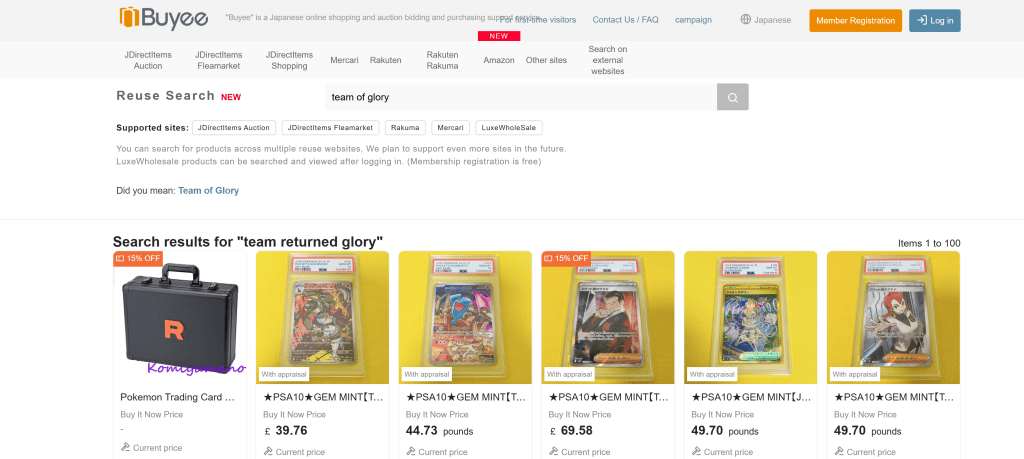
The challenge with all of these platforms is that they are primarily Japanese-language interfaces and most do not support direct international purchases. This is where proxy and forwarding services come in. Buyee is the most widely used English-language proxy for Mercari and Yahoo Auctions Japan, allowing you to search, bid, and buy through an English interface with international shipping handled on your behalf. FromJapan operates in a similar way and covers a broader range of Japanese platforms. These services charge a fee on top of the item price, typically a percentage of the purchase value plus handling and shipping costs, so factoring those into your landed cost calculation is essential before you decide whether a deal is worth pursuing. Translation tools like Google Translate handle most Japanese listing text accurately enough for practical use, and learning a handful of key condition terms, such as 未開封 for sealed and 美品 for near-mint, will make navigating listings considerably faster.
Import Costs and Customs Rules: UK and US Resellers Explained
This is the section most new importers underestimate, and getting it wrong can turn what looked like a profitable buy into a breakeven or a loss. The import cost picture looks different depending on whether you are based in the UK or the US, and both markets have seen meaningful changes in the last couple of years that affect how much you actually pay when a parcel arrives from Japan. The important principle that applies in both countries is the same: your total landed cost is not the item price plus shipping. It includes taxes, duties, and courier handling fees that get added at the border, and none of those are optional.
UK Import Costs
Under current UK rules, the customs duty threshold sits at £135. For shipments valued below £135, no customs duty applies, though VAT at 20% is still due and is typically collected by the seller at the point of sale for compliant international retailers. For shipments valued above £135, both customs duty and import VAT apply, calculated on the full customs value of the goods. Trading cards generally attract low or zero customs duty rates under UK tariff classifications, but VAT at 20% applies regardless of value. Couriers such as DHL, FedEx, and UPS charge a customs handling or clearance fee on top of any tax owed, typically between £8 and £15 per parcel. Royal Mail and Japan Post shipments processed through Royal Mail carry an £8 handling fee when customs charges are applied.
To illustrate the real-world UK impact, a Japanese booster box priced at around ¥5,400 converts to roughly £28 at current exchange rates. Add international shipping of £15 to £25, then apply 20% VAT on the combined value, plus a courier handling fee, and that £28 box realistically lands at £55 to £65 all-in. That remains competitive relative to UK retail pricing on English boxes, but the margin is considerably thinner than the headline Japanese price suggests. For UK resellers building a regular import operation, consolidating shipments to reduce the number of individual parcels entering the country is one of the most effective ways to manage handling fee costs across a batch of orders.
US Import Costs
The US import picture changed significantly from August 2025 onwards and it has a more direct impact on reseller margins than the UK equivalent. Previously, American buyers could import goods valued at $800 or less duty-free under the de minimis rule, which made casual and small-volume importing from Japan extremely accessible. That exemption was ended by executive order in August 2025, and from that point all imports from Japan regardless of value became subject to a 15% tariff under the US-Japan trade framework. There is no longer a threshold below which you avoid tariffs as a US buyer, which means every order from Mercari Japan, AmiAmi, or any other Japanese source now carries an additional cost that needs to be built into your margin calculation from the start.
In practice this means a Japanese booster box that might retail for around $35 to $40 at source can end up costing considerably more once you add international shipping of $15 to $25, the 15% tariff applied to the goods value, and a carrier customs processing fee that typically runs between $5 and $30 depending on the courier used. Real-world examples from the community put the total uplift at around 25 to 47 percent above the headline item price after all fees are accounted for. That is not necessarily a deal-breaker for resellers targeting high-demand sets or exclusive prints with strong secondary market premiums, but it does mean the bar for what constitutes a worthwhile import is meaningfully higher than it was before 2025. US resellers who import in bulk through a freight forwarder or consolidation service spread those per-shipment fixed costs across more units, which remains one of the most effective ways to keep landed cost per item competitive.
Currency management matters for both UK and US importers, but the mechanics are slightly different. UK buyers are converting from Japanese yen to pounds sterling, while US buyers are converting yen to dollars, and exchange rate movements can shift your effective cost on a larger order by a meaningful amount in either direction. Using a payment method with competitive conversion rates and no foreign transaction fee, such as Monzo or Revolut for UK buyers or Wise and certain travel-focused credit cards for US buyers, reduces the hidden cost of currency conversion compared to standard bank or credit card rates. For both markets, checking the current exchange rate before placing an order and locking in a calculation based on that rate rather than an assumption is a simple habit that prevents margin surprises at checkout.
How to Verify Authenticity and Spot Counterfeits
Counterfeiting is a real problem in the Japanese Pokémon TCG market, particularly for high-value single cards and in-demand promo items. The good news is that authentic Japanese cards have consistent and identifiable characteristics that are difficult to replicate accurately, and developing the habit of checking for these before every purchase will protect you from the most common fakes. Card thickness on genuine Pokémon TCG product sits at around 0.31mm, with a noticeable rigidity that cheap counterfeit card stock does not match. Print quality on authentic cards is sharp and consistent, with clean Japanese font rendering and precise set symbol placement, while counterfeits often show slightly blurred text, inconsistent foil patterns, or colour saturation that does not match known genuine examples.
When buying online, always request high-resolution photos of both the front and back of the card, close-ups of the holo pattern, edges, and set symbol, and a reference shot next to a known genuine card if the seller has one available. Any seller who declines to provide clear photos for a high-value item is immediately suspect and not worth the risk. For single cards priced above £100 or sealed product that you plan to hold as a collectible or resell as authenticated stock, third-party grading through PSA, Beckett, or CGC adds a tamper-evident slab and a verified population report that gives buyers confidence and often commands a premium on the secondary market. The full guide to grading Pokémon cards in 2025 covers the economics of that decision in detail, including the costs, turnaround times, and which cards are worth submitting.
Red Flags to Watch For in Listings
Certain listing characteristics should trigger immediate caution regardless of how appealing the price looks. Prices more than 30 percent below recent sold comparables on Mercari Japan or Yahoo Auctions Japan are the most reliable signal that something is wrong, whether the card is fake, heavily damaged, or listed under misleading terms. Stock photos rather than actual item photos are another consistent warning sign, particularly for individual cards, since a genuine seller has no reason to avoid photographing the specific item you are buying. Sellers with no feedback history, recently created accounts, or a pattern of negative reviews about authenticity are worth avoiding entirely, even if they have positive reviews in other categories.
For sealed product, examine photos of the shrink wrap carefully. Authentic Japanese sealed boxes use a specific type of shrink wrap with a clean, tight fit and a factory-sealed seam; resealed boxes show wrinkle patterns, heat distortion at the edges, or visible gaps that are hard to hide in a clear photograph. Official Japanese product also carries the Creatures Inc. and Nintendo copyright notice on the card backs, and any sealed box should have the appropriate product codes and promo stamps on the outer packaging that match known genuine versions. Cross-referencing product codes against known authentic listings on Japanese retail sites is a quick and effective way to verify sealed product before you commit to a purchase.
Payments, Buyer Protection, and Managing Currency Risk
How you pay for Japanese imports matters significantly in terms of what recourse you have if something goes wrong. Credit cards and PayPal offer the strongest buyer protection because both provide documented chargeback and dispute processes that give you a realistic path to recovering money if an item does not arrive, arrives damaged, or is materially different from the listing description. Direct bank transfers and wire transfers to unknown sellers offer essentially no protection once the money has left your account, and should be avoided for any seller you have not built a verified track record with. Marketplace escrow services, where the platform holds funds until delivery is confirmed, are worth using wherever they are available, particularly on higher-value transactions.
Currency conversion is a cost that catches out a lot of new importers. Japanese prices are listed in yen, and the exchange rate between yen and pounds can move meaningfully across the time between when you spot a deal and when you actually complete the purchase. Using a payment card with no foreign transaction fees and a competitive exchange rate, such as those offered by Monzo, Starling, or Revolut, reduces the hidden cost of currency conversion compared to standard credit cards that charge a percentage on top of the spot rate. For larger orders, checking the current exchange rate before you buy and factoring any potential movement into your margin calculation is sensible practice rather than just converting at whatever rate your bank offers at the time.
Shipping Options and Protecting Your Stock in Transit
The shipping method you choose from Japan affects both speed and the safety of your stock. Japan Post’s EMS service is a reliable and reasonably priced tracked option for moderate-value orders, with transit times to the UK of roughly one to two weeks and to the US of around one to two weeks under normal conditions. DHL and FedEx are faster and offer stronger tracking and handling standards, which matters for high-value or fragile sealed product, but their rates are higher and their customs handling fees on arrival add to your landed cost in both markets. For budget shipments where speed is not critical, Japan Post’s registered airmail or small packet services are cheaper but come with less in-depth, regular tracking updates and longer delivery windows of two to four weeks. US buyers should note that since the end of the de minimis exemption, even postal service shipments via Japan Post are now subject to tariff processing, which can add delay and handling fees that were not a factor prior to August 2025.
One specific risk with Japan shipments that is worth flagging for anyone buying sealed product for resale or collection purposes is transit damage. Japanese domestic packaging standards do not always account for the additional handling a parcel receives crossing multiple postal systems, and dented booster box corners and creased ETB packaging are a well-documented complaint from importers buying direct in both the UK and the US. If condition of the outer packaging matters for your intended use, asking sellers to add additional internal padding, requesting double-boxing for larger orders, and opting for courier services over postal services all reduce the risk of arrival damage. Declared value insurance is available on most tracked international services and is worth adding for any order where the replacement cost of a lost or damaged parcel would cause a meaningful financial problem.
Building a Repeatable Import Routine
The resellers who make consistent returns from Japanese Pokémon imports are not the ones who buy opportunistically and hope for the best. They have a routine that covers sourcing, cost calculation, authentication, and record-keeping as standard steps on every purchase, which means fewer surprises and more predictable margins. Before any purchase, the routine starts with calculating full landed cost including item price, proxy or service fees if applicable, international shipping, applicable import tax (UK VAT at 20% or the US 15% tariff on Japanese goods), and the estimated courier handling fee. If the margin does not work after accounting for all of those costs at realistic secondary market prices, the purchase does not happen regardless of how good the headline price looks.
Keeping thorough records of every transaction is practical rather than optional if you are running imports as a reselling operation. Saving order confirmations, invoices, tracking numbers, and photos of received stock within 48 hours of delivery gives you the documentation you need for customs disputes, payment disputes, or marketplace seller claims if anything goes wrong. It also gives you a clear picture of your actual costs and margins over time, which is the only reliable way to know whether your import strategy is working as intended. Storing these records for at least six months covers most dispute windows across payment providers and marketplaces.
For resellers who want to stay on top of which Japanese sets are generating the most demand on secondary markets, staying connected to the collector community is genuinely valuable. New set releases, surprise limited prints, and event promos can move secondary market prices quickly in both the UK and the US, and knowing that a particular card is generating buzz before you have already priced your stock means you can adjust accordingly. The best Pokémon Discords surface this kind of market intelligence in real time, alongside restock alerts and price tracking that would take hours to replicate manually. If you are also interested in how to handle the cards you pull once you have opened your imports, the guide to making money reselling Pokémon cards covers the full secondary market picture from pricing strategy to platform selection.
Where to Sell Japanese Pokémon Cards Once You Have Them
Importing the stock is only half of the equation. Knowing where to move it and at what price is what determines whether the exercise is profitable. eBay remains the deepest and most liquid marketplace for Japanese Pokémon in the UK and the US, with the widest pool of buyers and the most price history to benchmark against. UK private sellers benefit from free selling fees, making it an obvious winner. Zero commission, combined with a platform that has global reach, eBay is the hands-down best platform for UK resellers to sell their Pokémon inventory. In the US, ebay is still the best platform for Pokémon resellers, but sellers see fee structures running at around 12-13% of the sale price.
Other Platfroms such as Whatnot and StockX, both of which are available to UK and US resellers are also fantastic platforms for selling Japanese Pokémon and are definitely worth exploring. For higher-value individual cards, the best websites for reselling Pokémon online cover each platform in detail alongside the fee breakdowns and audience differences that should inform which marketplace you prioritise for different types of stock. If you are also thinking about pricing strategy and avoiding the most common mistakes that erode profit margins, the four Pokémon investing mistakes that cost big money is worth reading before you commit significant capital to any single set or product type.
Final Thoughts
Importing Japanese Pokémon cards is not complicated once you understand the moving parts, but it does require more upfront preparation than buying domestic stock from a local retailer. The key variables to get right before your first order are marketplace selection, full landed cost calculation, authentication checks, and shipping method relative to the value and condition requirements of your stock. For UK resellers that means factoring in 20% VAT and courier handling fees. For US resellers it means accounting for the 15% tariff on Japanese goods that applies to all imports from August 2025 onwards, on top of shipping and carrier processing fees. Get those variables right consistently and the Japanese market opens up a genuinely differentiated sourcing channel with products that collectors in both countries actively want and are willing to pay for.
Start with a modest first order through a well-established import retailer like AmiAmi to understand the full cost and logistics process before scaling up to Japanese consumer marketplaces or larger volume buys. Keep records from the beginning, build your authentication eye on lower-stakes purchases, and use the community intelligence available through dedicated Pokémon reselling groups to stay ahead of demand shifts. The resellers making consistent margins from Japanese imports are not doing anything complicated. They are just methodical about costs, careful about authenticity, and plugged into the right information sources at the right time. Whether you are based in the UK or the US, the best cook groups are a practical starting point for building that real-time intelligence network around your import operation.
Frequently Asked Questions
Do I have to pay import tax on Japanese Pokémon cards in the UK?
Yes. VAT at 20% applies to all imports from Japan regardless of value. For shipments valued below £135, VAT is typically collected by the seller at checkout. For shipments above £135, VAT and any applicable customs duty are collected by your courier upon arrival in the UK, along with a handling fee that typically ranges from £8 to £15. Trading cards generally attract low or zero customs duty rates under UK tariff classifications, but always verify the current commodity code before placing a high-value order.
Do I have to pay import tax on Japanese Pokémon cards in the US?
Yes. Since August 2025, the previous $800 duty-free de minimis exemption no longer applies to any imports, including those from Japan. A 15% tariff now applies to Japanese goods regardless of shipment value. On top of that, couriers charge a customs processing or handling fee that typically runs between $5 and $30 per parcel. Factor both of those costs into every landed cost calculation before committing to a purchase.
Are Japanese Pokémon cards cheaper than English ones?
At source in Japan, yes, typically by 30 to 50 percent. Once you add international shipping, import tax (UK VAT or the US 15% tariff), and courier handling fees, the gap narrows considerably. That said, targeted buying of high-demand sets, exclusive prints, or limited promos that command a premium on Western secondary markets can still yield strong margins for resellers who calculate their full landed cost accurately before buying.
What proxy service should I use to buy from Mercari Japan or Yahoo Auctions Japan?
Buyee is the most widely used English-language proxy for both platforms, offering real-time translated listings, bidding support, and international shipping to the UK and the US. FromJapan covers a similar range of platforms and is worth comparing on fee structure for your typical order size. Both charge a percentage fee on item purchases plus shipping and handling, so factor these into your full cost calculation before buying.
How do I know if a Japanese Pokémon card is authentic?
Check print clarity, holo pattern consistency, font alignment, card thickness (genuine cards measure around 0.31mm), and the Creatures Inc. and Nintendo copyright on the card back. Always request high-resolution photos of both front and back, card edges, and the holo area before purchasing. For cards valued above £100 or $125 USD, professional grading through PSA, Beckett, or CGC provides independent authentication and a tamper-evident slab.
What is the best shipping method from Japan to the UK or US?
Japan Post EMS offers a good balance of cost and tracking for moderate-value orders, with transit times of roughly one to two weeks to both the UK and the US. DHL and FedEx are faster and provide stronger handling standards for high-value or condition-sensitive sealed product, but carry higher fees and courier customs processing charges. US buyers should note that all shipping methods are now subject to the 15% tariff on arrival, including postal service shipments that were previously exempt. Add declared value insurance on any shipment where loss or damage would represent a meaningful financial risk.
Has the end of the US de minimis rule changed whether importing is worth it for US resellers?
It has raised the bar rather than closed the door. The 15% tariff adds real cost that was not there before August 2025, and for low-margin or lower-demand product the numbers simply may not work any more when buying individually. However, for in-demand Japanese exclusives, limited promos, and high-value sealed sets that command significant premiums on eBay and TCGPlayer, the margin can still justify the landed cost. Buying in volume through a consolidation service, which spreads fixed shipping and handling costs across more units, is the most effective way to remain competitive as a US importer under the current tariff structure.