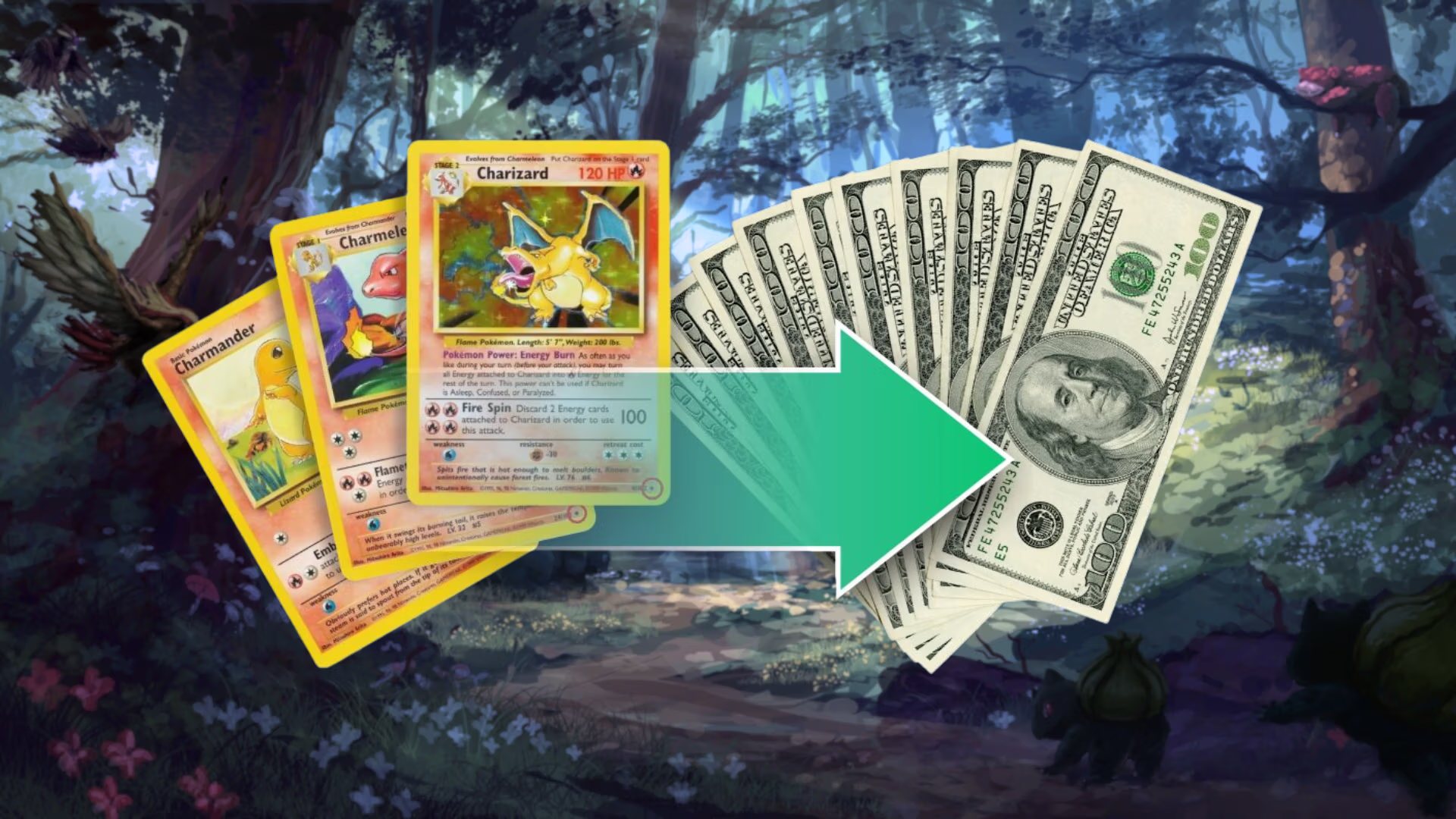
The Pokémon TCG market today is more active, more structured, and more profitable than most people realise. The massive hype of 2020 has faded, but the market has matured into something far more stable and predictable, which is exactly why serious resellers are still making consistent money every month.
Reselling Pokémon cards is no longer about hoping to “get lucky.” It’s about understanding the market, reading demand, timing purchases, and choosing the reselling method that fits your style and budget. This guide breaks down every major way to make money reselling Pokémon cards, how each method works, and what to expect when you start.
1. Buying Sealed Product Below Market Price
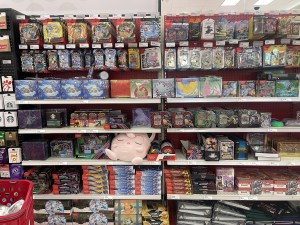
One of the oldest and still most reliable ways to make money reselling Pokémon cards is buying sealed product below its current market value. This works because sealed product is one of the most liquid types of inventory in the Pokémon world. ETBs, premium collections, tins, figure boxes, and retailer exclusives are always in demand with collectors and casual fans alike.
The key is timing. Retailers frequently load products early, restock quietly, or drop exclusive bundles without announcement. If you catch these moments, especially during morning restock windows, you can buy at retail before secondary markets react. Stores like Costco, Walmart, Macy’s, and even Lowe’s release unique multipacks or bundles that offer much more value than buying items individually.
You can also find below-market sealed products through local sellers who are clearing out all or part of their collections. These purchases are some of the easiest profit you’ll ever make.
| Product | MSRP | Market Price | Profit |
|---|---|---|---|
| Prismatic Evolutions ETB | $49.99 | $120 | $70.01 |
| Surging Sparks ETB (Pokémon Center) | $59.99 | $226 | $166.01 |
| Pokémon 151 ETB | $49.99 | $351 | $301.01 |
| Destined Rivals ETB | $49.99 | $125.88 | $75.89 |
2. Buying Raw Cards and Grading Them
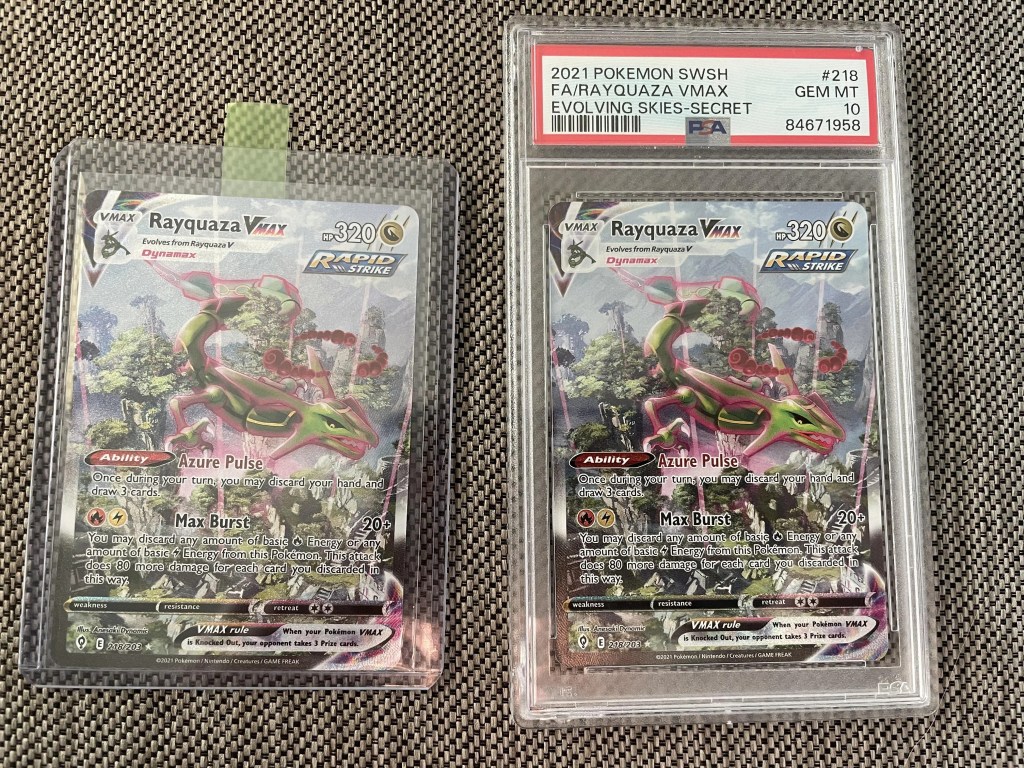
Grading has made a major comeback now that PSA, CGC, and BGS have stabilised their pricing and turnaround times. That means clean-looking raw cards can often be bought cheaply and turned into far more valuable graded slabs.
Many collectors sell raw cards without checking centering, edges, corners, or surface. If you develop a good eye for gem mint cards, you can buy them well below graded value. Popular SIRs, gold cards, and premium EX / ACE SPEC cards often jump in value when graded PSA 10.
You can also target graded cards that look undergraded, for example a potential 10 that received a 9 or 9.5. Many resellers crack these slabs and resubmit them to PSA hoping for a 10, which can mean a big increase in value.
3. Flipping Entire Collections
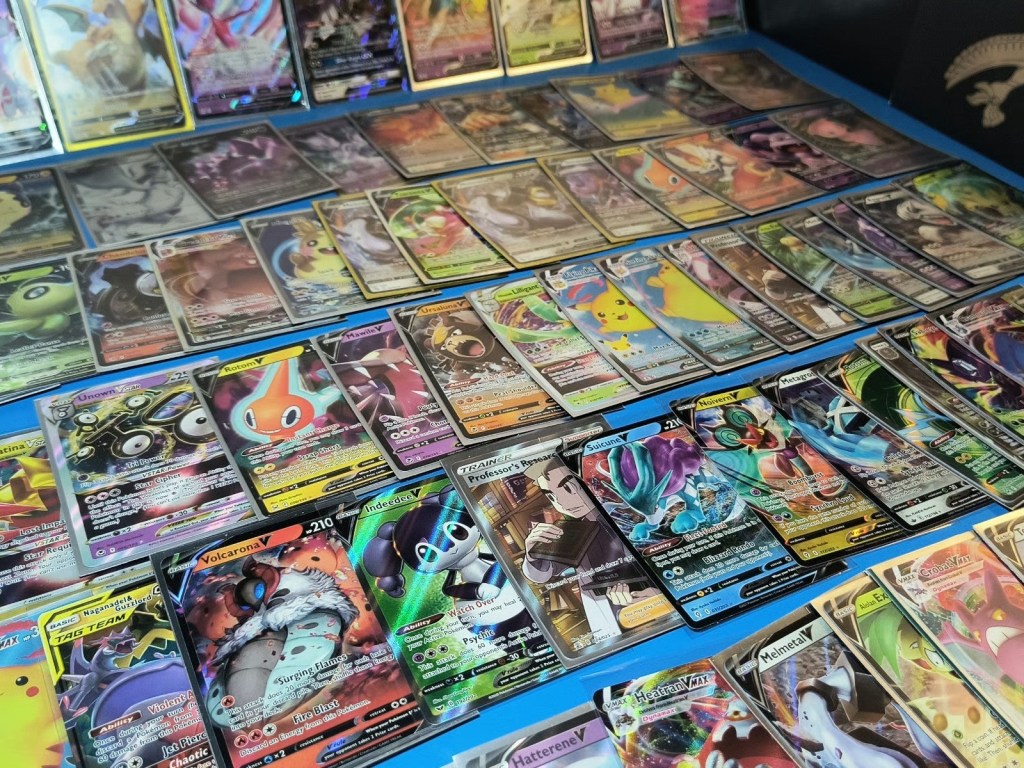
Collection buying is one of the most profitable and consistent strategies in the hobby. Most people leaving the hobby just want to sell everything in one go, so you can often negotiate a strong price for taking the whole lot off their hands. Collections frequently contain forgotten full arts, older promos, vintage bulk, playable cards, and sometimes sealed items the seller hasn’t properly valued.
One of the biggest advantages of this method is that you can usually buy full collections for around 70–80% of their total market value. Paying the seller quickly gets you an immediate discount on everything in the lot. The real value comes from breaking the collection down properly: selling high value singles individually, grouping mid-tier cards into themed lots, and bundling bulk into larger packages. When you resell across platforms like eBay, TCGplayer, Whatnot, Mercari, Facebook Marketplace, and Pokémon trading groups, that 20–30% margin becomes your profit.
Many full-time Pokémon resellers build their whole business around collection flipping for this reason. The ROI is excellent when you combine fast buying, careful sorting, and quick selling across multiple marketplaces where different buyers will pay different premiums.
4. Profiting From Playability and Meta Shifts
Most resellers overlook the competitive side of Pokémon, but it’s one of the fastest ways to profit. When a new deck becomes dominant or a tech card starts topping tournaments, demand for specific singles spikes almost instantly. Understanding rotation, new set releases, and tournament results lets you buy early and sell at peak demand.
Unlike sealed flipping, this relies on knowledge rather than speed, which makes it far less saturated.
To stay on top of the competitive scene, follow recent tournament results and the decklists that are placing well, and watch for cards that start appearing in multiple top decks.
5. Importing and Selling Japanese Pokémon Cards
Importing Japanese cards has a big learning curve, but once you understand the process, it becomes one of the most profitable parts of the hobby. Japanese sets often sell out quickly on release day, and availability varies by retailer. Most stores don’t ship internationally, so you’ll usually need a proxy or middleman service. A few stores do ship overseas but limit quantities, making large orders harder. Shipping times can also vary, and customs delays happen occasionally, especially around big releases.
Despite these challenges, the profit keeps sellers coming back. Japanese cards tend to grade better thanks to higher print quality, so the chances of getting PSA 10s are much higher than with English cards. A raw Japanese SIR, EX, or gold card bought shortly after release often costs a fraction of what the same card sells for once graded, and that margin alone can turn a single submission into hundreds of dollars of profit.
Beyond grading, early-release arbitrage is where the biggest money is made. Japanese sets launch weeks before English versions, creating strong demand from collectors who want the newest artwork straight away. If you secure boxes or singles early, you can list them on eBay, Whatnot, TikTok Shop, or local groups for two to three times the import cost during the first release window. Sell as quickly as you can, though, as prices drop as the English release gets closer and fall substantially once it’s out.
Many full-time sellers rely on Japanese imports because the income is so consistent and scalable. Singles sell quickly, sealed product holds long-term value, and graded cards can produce some of the highest returns in the market.

Where to Sell Pokémon Cards
Choosing the right selling platform is just as important as choosing what to sell. Different marketplaces attract different customers, margins, and sales speeds. Knowing which platforms to use helps you maximise profit and avoid wasting time on ones that don’t work for your stock. Here’s a quick overview of the biggest platforms for selling Pokémon so you can find the ones that suit you.
Live Selling Platforms: Whatnot, Drip, and TikTok Shop
Live selling has exploded and remains one of the fastest ways to move inventory. Platforms like Whatnot, Drip, and TikTok Shop let sellers run auctions in front of live audiences. Buyers join streams for entertainment as well as shopping, which often leads to impulse purchases and bigger margins.
Live selling works especially well for mid-tier sealed product, mystery packs, raw singles, lots, and even bulk. Many resellers host daily or weekly shows and earn a full-time income purely from livestreaming. The downside is the time commitment. Successful live sellers often spend hours each week streaming, and because streams generate so many individual orders, packing and shipping can take just as long.
Pros:
Fast sales, high engagement, perfect for clearing mid-tier inventory.
Cons:
Requires consistent streaming, personality-driven sales, platform fees vary.
It can be hard to build an initial audience, which can mean lower sale prices at the start.
Local Selling: Facebook Marketplace, Card Shows, and Community Groups
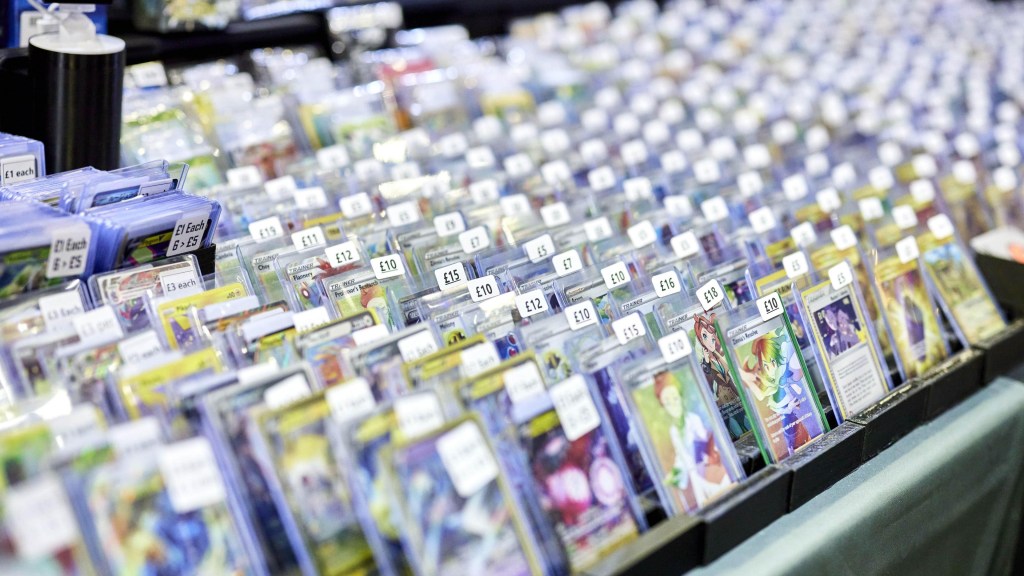
Selling Pokémon locally remains one of the easiest and most profitable options because it cuts out marketplace fees and shipping costs. Parents, collectors, and gift shoppers often prefer buying locally so they can get items straight away, which makes sealed Pokémon product very easy to move at fair prices.
Selling through Facebook Marketplace, local buy/sell groups, and card shows lets you keep all of your profit while building a reputation as the local “Pokémon plug”. It’s also incredibly fast. If you have an item in high demand, you could well sell it the same day you list it.
Pros:
Zero fees, instant cash, fast turnover, strong demand for sealed product.
Cons:
Requires travel/meetups, occasional no-shows, buyer pool depends on local area.
Online Marketplaces: eBay, TCGplayer, Mercari, and Amazon
Online marketplaces continue to be some of the most effective places to sell Pokémon cards. eBay is still the best all-round platform for singles, graded cards, and high-value items thanks to its massive buyer pool. TCGplayer is ideal for competitive singles and bulk orders, especially if you want fast, automated sales. Mercari attracts a more casual audience but works very well for sealed items, promos, bundles, and affordable lots. Amazon is harder to get into, but for sellers who qualify, it offers huge volume and some of the strongest margins.
For many resellers, eBay or TCGplayer sales can match or even beat Facebook Marketplace, depending on the product and the seller’s area. With the right listing practices, items can sell within hours. The real strength of these platforms is reach: they connect you with national and international buyers who are willing to pay a premium for the exact cards they want.
Pros:
Massive buyer pools, fast sales for the right items, excellent for singles and slabs, international reach, great for niche or high-value listings.
Cons:
Seller fees, shipping costs, potential returns or disputes, requires quality listing photos, descriptions, and competitive pricing.
Social Media Sales: Instagram, Discord, Reddit, and TikTok
Social media has become a powerful selling channel for Pokémon cards. Instagram is excellent for showcasing slabs, new pickups, or sealed product drops. Discord servers (especially Pokémon or TCG-specific groups) often have buy/sell channels where people are actively looking for products you may have.
These platforms work best when you’re building a brand or already making content, as they reward community engagement rather than anonymity.
Pros:
Low or zero fees, strong community trust, great for fast deals and repeat buyers.
Cons:
Requires social presence, relies on manual messaging, occasional scammers.
Which Platform Should You Use?
Most successful resellers use a few different platforms depending on what they’re selling. Matching the right product to the right platform is one of the biggest advantages a well-informed reseller can have.
Platform Overview
| Platform | Pros | Cons |
|---|---|---|
| eBay | Massive buyer pool; great for singles, slabs, and rare items; auctions allow higher prices; international reach. | Seller fees; shipping/returns; requires good photos; some competition on common items. |
| TCGplayer | Best for competitive singles; fast, automated sales; price tracking is easy; trusted by TCG buyers. | Fees can add up; mainly singles-focused; no strong market for sealed product. |
| Mercari | Great for sealed items, bundles, and promos; casual buyers; simple listing process. | Smaller buyer pool than eBay; occasional lowball offers; slower on niche items. |
| Amazon | Huge volume; strong margins; buyers pay premium prices; ideal for sealed retail products. | Hard to get approved; strict rules; high consequences for returns/complaints. |
| Whatnot / Drip / TikTok Shop | Extremely fast sales; high engagement; great margins; perfect for mid-tier sealed, singles, and mystery packs. | Requires livestreaming; time commitment; platform fees; success relies on personality and consistency. |
| Facebook Marketplace / Local Sales | Zero fees; instant cash; fast turnover; great for sealed product and bulk lots. | No-shows; smaller buyer pool depending on location; requires meetups or travel. |
| Instagram / Discord / Reddit | Low or zero fees; strong trust-based communities; great for repeat buyers; fast deals for desirable items. | Requires social presence; manual messaging; risk of scammers; inconsistent traffic. |
Knowing where to sell is only one part of the picture. Real growth comes from combining these platforms with the best places to buy and consistent reinvestment.
6. Combining Methods to Scale Into a Full Reselling Business
Most of the best performing Pokémon resellers don’t rely on a single strategy. They combine a few to create multiple income streams, so when one method slows down, another picks up.
Related reading: our guides on how to import Japanese Pokémon cards and how to buy cheap Pokémon cards.
Final Thoughts
Pokémon reselling is healthier and more profitable than many people assume. Whether you’re flipping sealed boxes, grading cards, buying collections, selling live, or combining all of these, there’s huge opportunity in the market right now.
Want alerts the moment stock drops? See our ranking of the best Pokémon restock Discords.