Collecting Pokémon cards is a hugely popular hobby enjoyed by millions of people around the world. For resellers, Pokémon investing can also be a very profitable side hustle. But as with any collectible market, it can be hard to know which cards to invest in, especially if you are not a fan of the Trading Card Game. When you are just getting started, it is all too easy to make costly mistakes.
Flipping Pokémon can bring in good money, but there is a steep learning curve before you can buy smart. Whether you want a quick profit or long term value, avoiding these common pitfalls makes all the difference.
Let’s break down the four most common investing mistakes Pokémon collectors make, and how you can sidestep them.
1. Not Researching Sold Prices
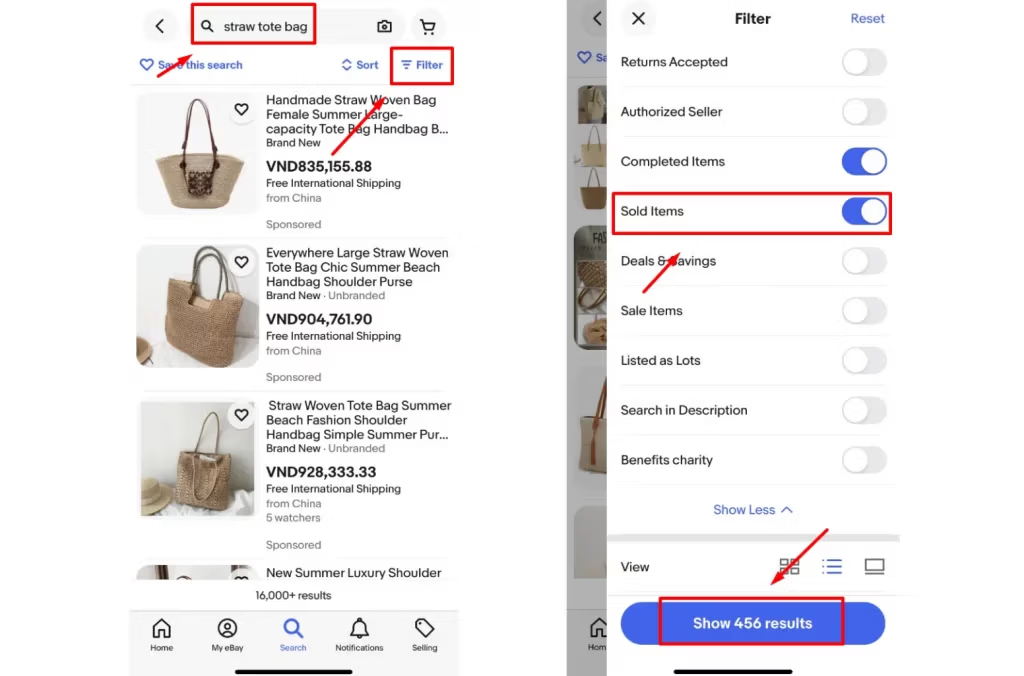
One of the most common Pokémon investing mistakes is buying cards without checking their real market value. It is tempting to trust the first eBay listing you see, but listed prices are not necessarily what buyers actually pay.
Instead, use eBay’s Advanced Search to view sold listings, which show what people have actually paid for similar items. There are also apps and tools with up to date prices for graded slabs and raw cards, making it easier to judge whether you are getting a fair deal.
Prices vary widely with condition and grading. A common beginner assumption is that a PSA 9 must be more valuable, and therefore a better investment, than a mint raw copy. That is not always true. Mint ungraded cards are often overlooked simply because they lack an official grade, but no grade does not always mean lower value.
Plenty of collectors would rather buy a mint raw copy than a PSA 8 or 9, as it may actually be in better condition. Doing your homework stops you overspending and builds good buying habits for the long haul. Pokémon can absolutely be a profitable side hustle, but like any investment, knowing your numbers matters.
2. Ignoring a Card’s Quality
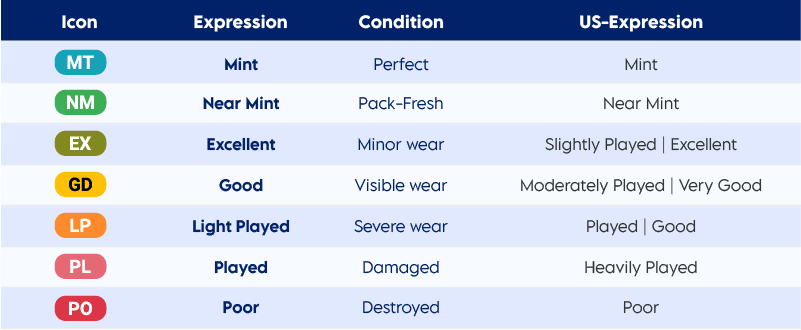
Quality is everything in modern Pokémon collecting. A beautiful near mint raw card can be more desirable, and more valuable, than a graded PSA 9. Understanding terms like NM (Near Mint), LP (Lightly Played) and MP (Moderately Played) is essential, especially when buying online.
It is not just about owning the card anymore. As the game has grown in popularity, collectors have become more focused on condition than ever. Your card’s quality directly affects both its resale value and how many buyers will want it. A lightly played card might be cheaper, but it also limits who will buy it from you later.
Always aim for the highest quality you can afford. For collectors, quality does not just look better in a binder, it gives a collection lasting value. Understanding that will help you make better judgements when investing.
3. Not Researching Grading Companies
Grading can dramatically increase a high quality card’s value, but only if a reputable company does it. Some newcomers try to save money with lesser known grading services, thinking it will not make much difference. It absolutely does.
Companies like PSA, CGC and BGS dominate the Pokémon market, with PSA the clear leader (around a 78% market share at the time of writing). Cards graded by these companies are more trusted, easier to resell and usually carry a premium. If you are paying for grading, it is worth spending a little more on one of the big names.

Read More: The Truth about Grading Pokémon Cards: How expensive is it, step-by-step process and is it worth it?
4. Focusing on Quantity Over Quality
When starting out, it is easy to think buying cards in large quantities is a good strategy. If you can do that while keeping your inventory high quality, great. But quantity without quality will hurt your portfolio over time.
Many new resellers focus on bulk buying, thinking it is the best way to scale profits and lower risk. When it comes time to sell, though, offloading hundreds of low value cards is slow and often not worth the effort. The real key is owning a smaller number of high quality, high demand cards, which gives you a collection that is easier to manage and easier to sell.
Instead of aiming for volume, consider narrowing your focus to chase cards, grails or iconic artworks.
How Can You Avoid These Common Pokémon Investing Mistakes?
Join a cook group! These online communities are run by people with years of reselling experience, and some focus solely on Pokémon. They take the confusion out of reselling by telling you what to buy and sell, with handy release guides and tips for getting the best price. With one-to-one support, stock monitors and in-store information, they are a goldmine of knowledge. You can find out more about the best ones in our in-depth reviews here.
Final Thoughts
Pokémon investing can be a profitable side hustle if you approach it with patience and a bit of strategy. These mistakes are common, and making one does not mean you have failed. What matters is learning from them and adjusting your approach.