
Most people associate StockX with buying and selling sneakers, but it has grown into something much bigger. As well as sneakers, you’ll now find PS5 consoles, graphics cards and other high-demand products. For many buyers, it’s the first place they check after missing a drop. For sellers, it’s a central hub with built-in demand and easy-to-track prices.
What Is StockX and Who Is It For
At its core, StockX is a resale marketplace that connects buyers and sellers through a structured system rather than open haggling. It started out focused on sneakers but now covers clothing, accessories, electronics and collectibles too. It’s great for people who missed a retail release and want authenticated products without dealing with random sellers on social media. It also suits resellers who don’t want to create listings with photos and descriptions or handle customer service, as StockX takes care of that. If you don’t mind waiting a little longer for delivery and want an easy buying experience, StockX is a good fit.

How the Bid and Ask System Works
The bid and ask system is simple once you see it in action. Buyers place a bid, the most they’re willing to pay, and sellers set an ask, the price they want to receive. When a bid and ask match, the sale goes through automatically and the seller ships the item to StockX for authentication. As a seller, you can list at your chosen price and wait for a buyer, or use Sell Now to accept the highest bid straight away. The lowest ask becomes the Buy Now price and the highest bid becomes the Sell Now price, so you can always see what a realistic price looks like.
Shipping Times: Standard vs Express and Flex
Standard StockX shipping usually takes around a week from ordering, sometimes less if the seller ships quickly. The main delay is that the seller has to send the item to StockX to be checked before it’s sent on to you. With Express Ship, items that are already verified and stored in a StockX warehouse are sent out much faster, often arriving in two to three days. Express asks are usually pricier than regular ones because sellers know they’re offering speed. If saving money matters more than speed, standard shipping is fine, but if you need something quickly, look for Express.

StockX Fees, Seller Levels and Flex Pricing
One reason many resellers stick with StockX is that its fees are fairly reasonable for a global marketplace. You pay a percentage fee on each sale plus a payment processing fee, and a seller level system lowers your rate as you complete more orders. Levelling up makes a real difference: at the time of writing, top-level accounts using Flex can pay around 5% plus 3% payment processing. For regular sellers, that adds up across lots of items. It’s always worth running your numbers through our StockX fee calculator to see your true payout and decide whether to accept a Sell Now price or hold out for a higher one.
Here’s how the fees break down by seller level at the time of writing:
| Seller Level | Standard Transaction Fee % | Flex Transaction Fee % | Payment Processing Fee % | Additional Flex Costs |
|---|---|---|---|---|
| Level 1 (0–3 sales) | 10% | 7% | 3% | Monthly storage fee (varies) |
| Level 2 (4–9 sales) | 9.5% | 6.5% | 3% | Monthly storage fee (varies) |
| Level 3 (10–24 sales) | 9% | 6% | 3% | Monthly storage fee (varies) |
| Level 4 (25–249 sales) | 8.5% | 5.5% | 3% | Monthly storage fee (varies) |
| Level 5 (250+ sales) | 8% | 5% | 3% | Monthly storage fee (varies) |
What Is StockX Flex and Who Is It For
StockX Flex lets you store qualifying items in a StockX warehouse, so you don’t have to keep them at home or ship them yourself when they sell. For active sellers it’s a great setup: fees are lower, and Flex items reach buyers faster, which makes them more attractive. It’s especially useful for popular, fast-selling products, as you get lower fees and quicker sales. The trade-off is that Flex charges storage fees for items that sit for a long time, which can eat into your profit on slow-moving stock. Put simply, Flex works best for items likely to sell fairly quickly at a healthy price.
Are StockX Fees Fair Overall
For most people, StockX fees feel fair given everything the platform handles, from payment processing to authentication and customer service. New sellers start at the higher end of the fee scale but can move up levels simply by completing more sales. Rewarding volume makes sense for resellers who use StockX as a long-term sales channel, and Flex adds extra savings for higher-level sellers happy with warehouse fulfilment. As long as you factor fees into your buying decisions, it’s not hard to make StockX work for you.
Can You Trust StockX Authentication
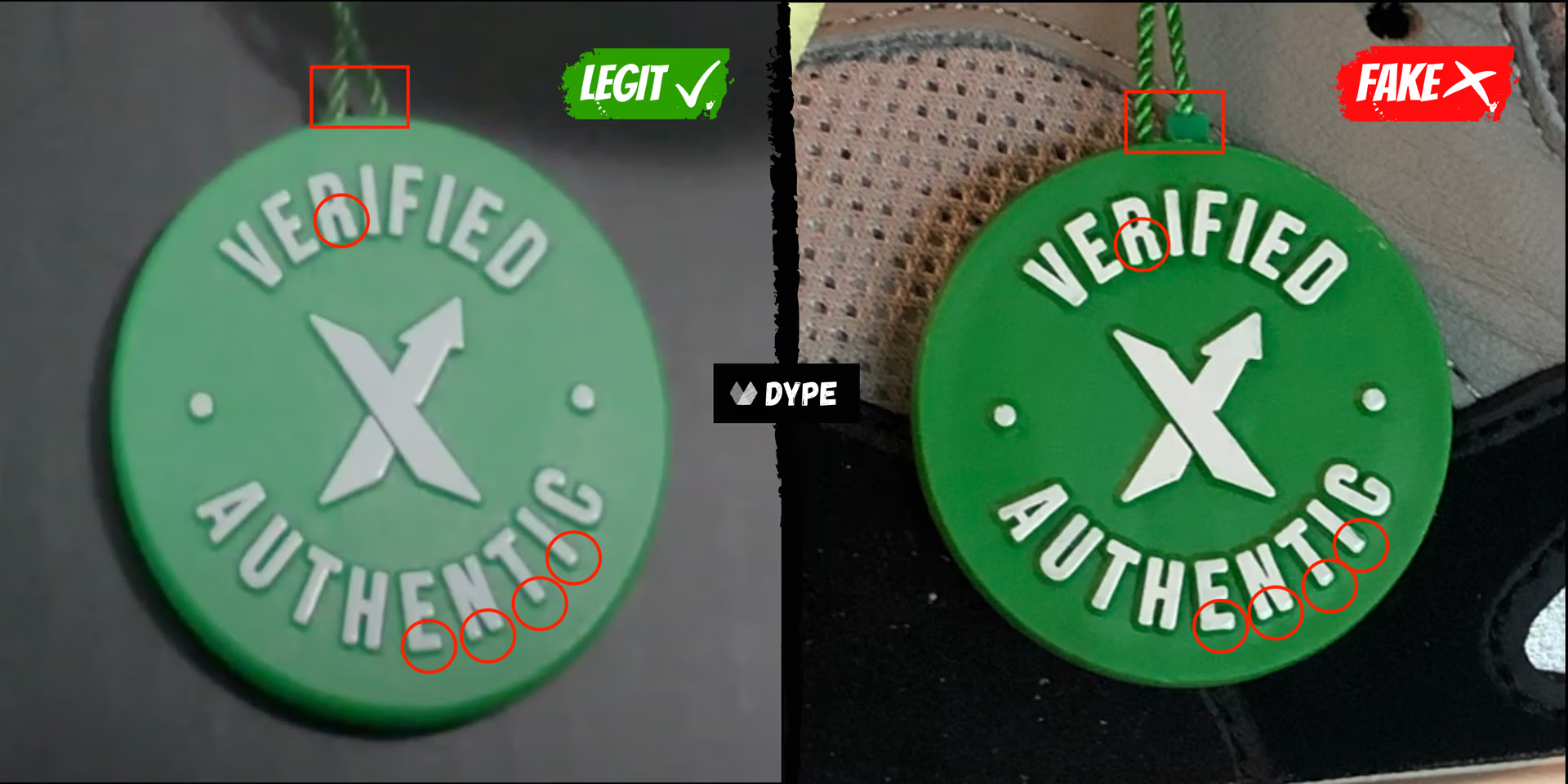
For sneakers, StockX is generally reliable and most people trust its authentication. Some buyers and sellers are more cautious with clothing, especially heavily faked brands like Denim Tears or Essentials. In those categories you’ll sometimes spot asks that look far too low compared with the market, which is often a red flag. A good rule of thumb: if something is much cheaper than everywhere else, there’s usually a reason, and it’s safer to avoid it. No marketplace is perfect when counterfeiters keep getting better.

When StockX Is a Good Choice
StockX suits buyers happy to pay a fair market price in exchange for verification and a structured process. If you missed a retail drop or want to avoid unverified sellers on social media, it’s a cleaner, more predictable experience. For sellers, it suits anyone who wants a simple list-and-ship workflow and accepts fees as the price of convenience and reach. High-volume sellers also benefit from lower fees at higher levels and can use Flex to boost both speed and profit. If you care most about maximum payout and don’t mind handling more of the selling yourself, it’s worth using other platforms alongside StockX.
Final Verdict: Is StockX Legit
Yes. StockX is a good platform for buying and selling, as long as you know what to expect. It offers a clear bid and ask system, solid sneaker authentication and fees that get more attractive as you level up. Standard shipping takes around a week, while Express and Flex are faster but often cost more. For sneakers it’s easy to recommend, but with certain clothing brands it pays to be careful with unusually cheap listings. If you plan to sell regularly, running every sale through our StockX fee calculator will help you protect your margins.
Related reading: whether Hypeboost is legit.
See also: the most expensive sneakers ever sold.