
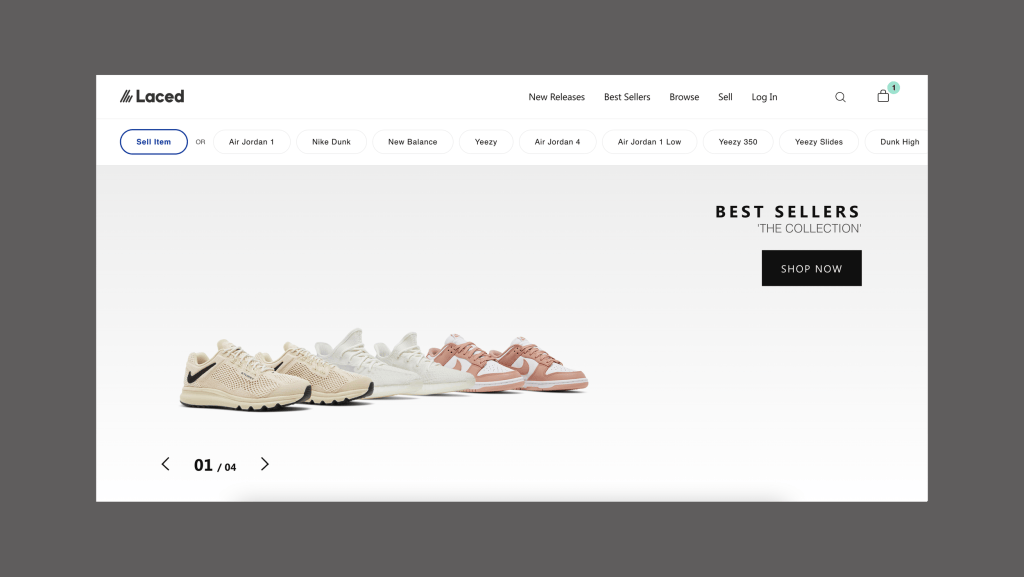
Laced has become one of the most popular sneaker marketplaces in the UK, with a strong reputation as a reliable platform for both buyers and sellers. Its pricing is straightforward and avoids the extra buyer fees many competitors add, which can make Laced cheaper than similar platforms like StockX and GOAT. For sellers, payout rates are attractive, and bulk shipping helps high-volume sellers save time on postage and packaging.
How Selling Works on Laced
Listing products on Laced is simple and sales volume is great. One drawback is that sales data is more limited than on most similar platforms: the only figure sellers can see is how many units of a product sold in the last 30 days. Laced doesn’t use a bid and ask system like StockX, so it feels more like a traditional shop where buyers pay the listed price. Its bulk shipping options let high-volume sellers pack and send multiple orders more efficiently, which makes the platform appealing if you handle a lot of stock. The fee structure is fixed with no seller levels, so your fees don’t change over time.
Laced Seller Fees Explained
| Fee Type | Amount | Notes |
|---|---|---|
| Transaction Fee | 12% | Flat rate for all sellers |
| Payment Processing Fee | 3% | Applies to all sales |
| Seller Shipping Fee | £7.99 | Per order |
| Failed Authentication Penalty | £15 or 15% | Varies depending on item and violation |
At the time of writing, the Laced fee structure is simple. The downside is the penalty system, which can be harsh if an item fails verification. Sellers may be charged a flat £15 or, in some cases, 15% of the sale price, which gets costly on expensive items. Laced may also hold onto the item until the penalty is paid, which is frustrating if you believe it was wrongly rejected. Even so, many sellers still prefer Laced because payouts on successful sales are strong and the marketplace attracts a steady stream of UK buyers.
Shipping and Authentication Times
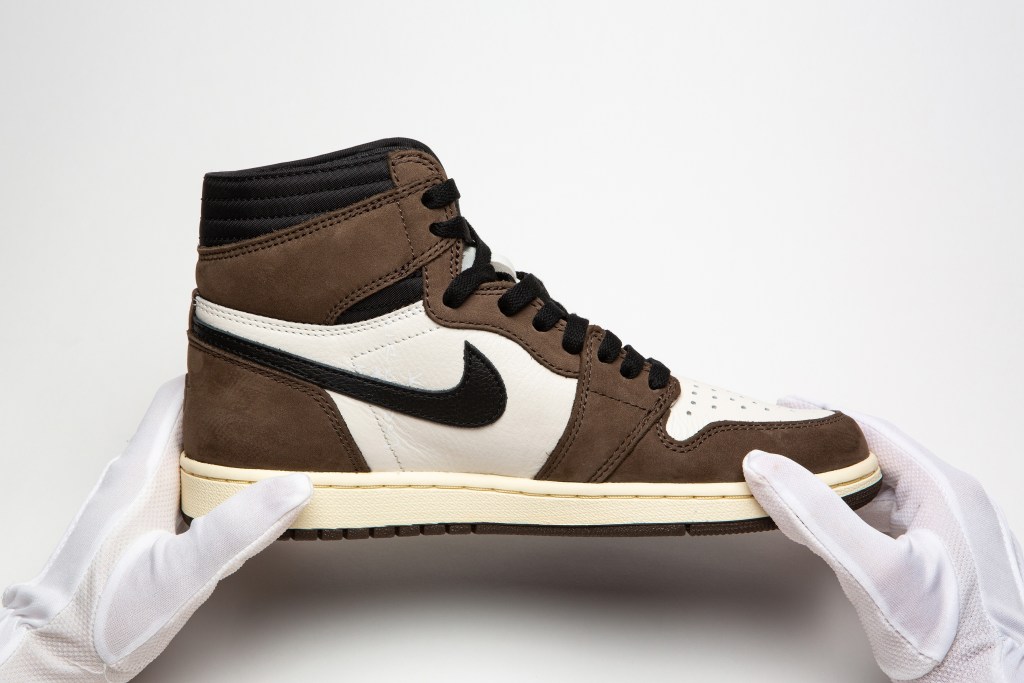
Laced uses an authentication process similar to other major marketplaces, and delivery times are broadly in line with the rest of the industry, so buyers can expect comparable turnaround whether they use Laced, StockX or another platform. Once a seller ships an item, it’s checked for condition, authenticity and correct packaging before being sent on to the buyer. Most items pass without issue as long as they are new and properly presented.
Customer Support and Buyer Experience
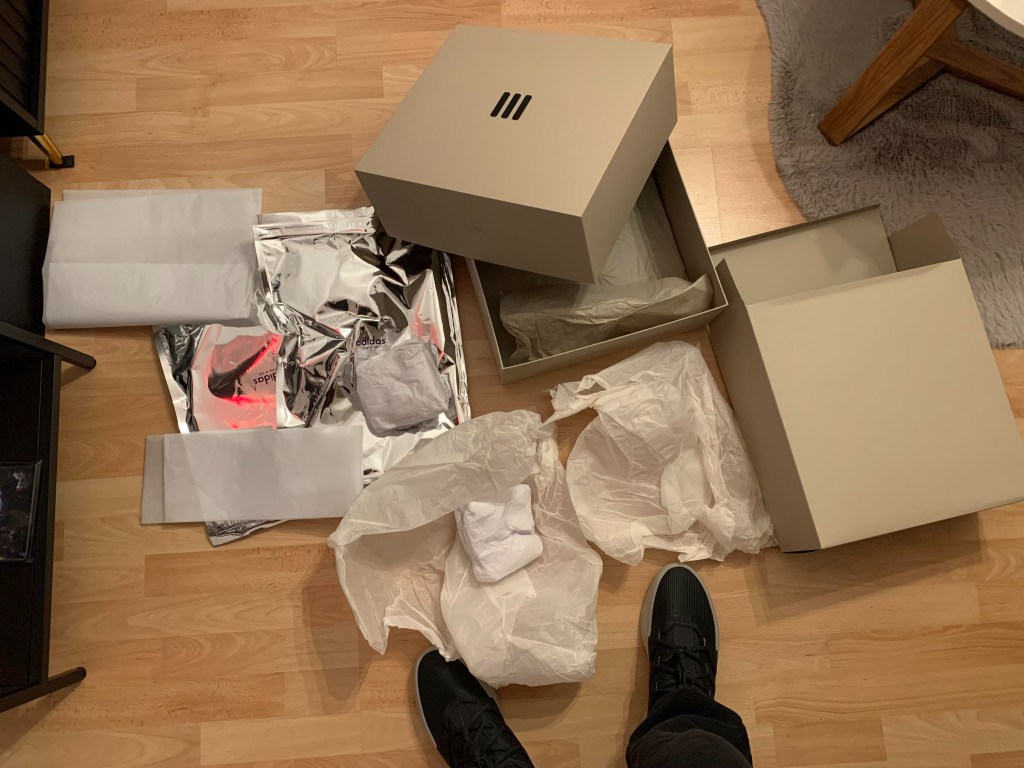
Buyers usually receive their items in good condition, and the platform’s strong reputation for authenticity helps build trust. Laced’s main weakness is its customer service. Support replies can take several days and are often generic, which is frustrating when you’re dealing with a time-sensitive issue. Most transactions go smoothly, but when something does go wrong, resolution can feel slow. To be fair, that’s fairly standard across the industry.
Laced vs StockX vs GOAT
Laced competes well in the UK because it offers competitive pricing with no added buyer fees and good payouts for sellers. StockX and GOAT have larger global audiences but often come with higher fees or slower international shipping. Laced serves UK buyers more efficiently, making it a great fit for items that sell well domestically. If you want international reach, you can still list on StockX or GOAT alongside Laced to maximise your audience.
See also: the most expensive sneakers ever sold.
Final Verdict: Is Laced Legit?
Laced is a legitimate, trustworthy platform for buying and selling sneakers in the UK. It offers competitive pricing, strong authentication standards and a clear fee structure that makes it easy for sellers to predict their payouts. Penalties for failed verification are strict and customer service can be slow, but the platform still provides a reliable experience for most users.
Want to see exactly what you’ll earn? Try our Laced Fee Calculator.