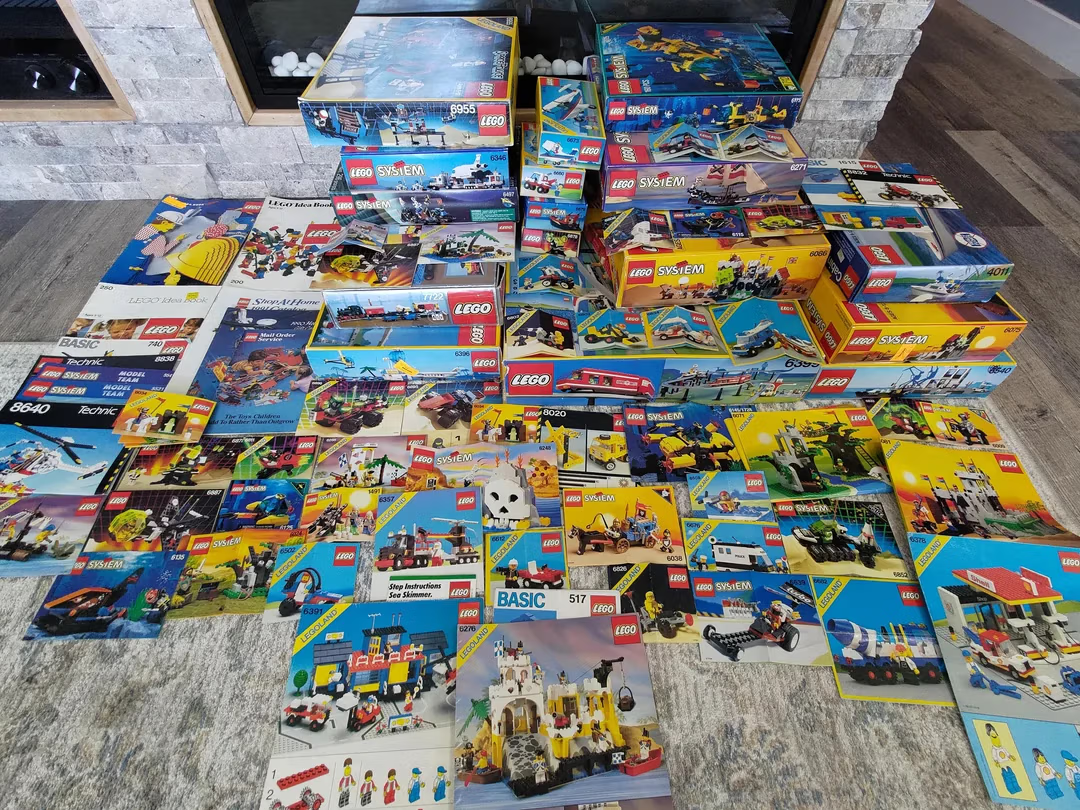
LEGO is one of the most reliably profitable items you can resell online, but only if you choose the right platform and know what you are actually sitting on. The difference between selling a set for a tenner at a car boot and flipping it for well over retail on the right marketplace can be enormous, and it all comes down to where you list it and how you present it. Whether you have a single retired set gathering dust, a collection of minifigures you no longer want, or a massive bin of loose bricks, there is a correct outlet for each situation.
This guide breaks down the best platforms to sell LEGO online in the UK, explains the fees and effort involved with each, and gives you the practical tips that experienced resellers use to maximise their returns. By the end, you will know exactly where to list, how to price, and what to do before you ever take a photo.
Why LEGO Holds Its Value So Well
Before diving into platforms, it is worth understanding why LEGO is such a strong resale category in the first place. Unlike most toys, LEGO sets have a finite production run and once a set is retired by LEGO Group, the only supply on the market comes from resellers. That scarcity, combined with a passionate and well-funded collector base, means prices often rise sharply in the months and years after retirement. Historically, retired LEGO sets have appreciated at an average of around 11% per year, which outperforms many traditional investments.
Popular themes like Star Wars, Harry Potter, Icons, and Technic tend to hold value particularly well because the licensed fandoms keep demand consistent. Even mainstream sets like the Botanical Collection or modular buildings have developed strong secondary markets, making LEGO one of the more forgiving product categories for new resellers to enter.
The condition and completeness of a set plays an enormous role in determining what it sells for. A set that is brand new and sealed in its original box will consistently command a significant premium over one that has been opened, built, and stored in a bag. Even among opened sets, one that has been rebuilt with its original box and instructions in place will typically sell for 20% to 50% more than a loose, unorganised collection of the same parts. Collectors are paying for peace of mind as much as the bricks themselves, and anything that reduces a buyer’s uncertainty about what they are getting will push the price up accordingly.
Check What Your LEGO Is Actually Worth First
One of the most common mistakes people make when selling LEGO is pricing by gut feeling rather than actual market data. Before you list anything anywhere, spend ten minutes doing proper research. The two most useful tools for this are BrickEconomy and the completed listings filter on eBay UK. BrickEconomy tracks the retail history, retirement status, and current average sale prices for virtually every LEGO set ever produced, giving you a clear picture of how much a set has appreciated and what buyers are paying right now. eBay’s sold listings are equally valuable because they show you real transaction prices rather than optimistic asking prices that may never actually sell.
It is also worth separating your minifigures before you even think about pricing the sets. Certain licensed figures, particularly from Star Wars, Marvel, Harry Potter, and Indiana Jones themes, can be worth more individually than the set they came from. A rare Clone Trooper or an exclusive Hermione Granger variant from an older set can easily fetch £15 to £50 or more on its own. Checking platforms like BrickLink’s price guide for individual parts and figures before you list anything as a bundle will tell you whether breaking things up is worth your time. For rarer items, the answer is almost always yes.
The Best Platforms to Sell LEGO Online
BrickLink: Best for Maximum Value on Rare Sets and Parts
BrickLink is the go-to marketplace for serious LEGO collectors and is widely considered the gold standard for anyone who wants to extract the highest possible value from their inventory. It functions similarly to an online shop model where you create a storefront, list your items with your own prices, and buyers come to you specifically because they are searching for LEGO.
The audience here is not casual, it is made up of collectors, adult fans of LEGO (often referred to as AFOLs), and other resellers who know exactly what things are worth and are willing to pay fair market price for quality items. Platform fees are among the lowest of any major marketplace, sitting at around 3% of the sale value, which means you keep far more of every transaction compared to other options.
The trade-off is effort. Setting up a BrickLink store requires you to catalogue your inventory properly, photograph items accurately, set competitive prices based on the platform’s own price guide data, and handle all packaging and postage yourself. For someone with a handful of complete sets to move, this can feel like a lot of work. But for anyone sitting on a larger collection, particularly one that includes retired sets, hard-to-find parts, or desirable minifigures, BrickLink consistently delivers the best returns available online. It is also the right home for individual spare parts and minifigures, since buyers actively search for specific pieces they need to complete their own sets.
eBay: Best for Discontinued Sets and Sealed Items
eBay remains one of the most powerful platforms for selling LEGO, particularly for complete sets, retired items, and anything that is brand new and sealed in the box. The sheer size of eBay’s buyer base means your listing gets seen by far more people than on any specialist platform, and that reach is especially valuable when you have a high-demand item where competitive bidding can push the final price well above what you might have listed it for.
Running a seven-day auction on a sought-after retired set is one of the most reliable ways to let the market determine the true value of what you have, and it is not unusual for popular sets to sell significantly above their BrickEconomy average when two or more motivated collectors are bidding against each other.
The downside is cost. eBay charges sellers between 10% and 15% in fees depending on your account type and the category, and that eats into your margin more than most other platforms. You also need to invest time in writing accurate descriptions, taking clear photos from multiple angles, and sorting out packaging and postage. That said, for sealed or near-mint complete sets, the combination of eBay’s reach and auction format tends to justify those fees.
It is worth noting that Buy It Now listings with a Best Offer option also work well for LEGO, particularly when you are confident in the value of what you have and do not want to risk an auction finishing low during a quiet week.
If you are serious about LEGO reselling as an ongoing activity rather than a one-off clear-out, it is worth learning how to use eBay’s platform effectively. There are proven strategies that experienced eBay sellers use to boost their visibility and close rates that apply just as well to LEGO as they do to clothing or electronics.
Facebook Marketplace: Best for Avoiding Shipping Costs
Facebook Marketplace works best for larger, heavier, or lower-value LEGO lots where the cost and hassle of posting would eat significantly into your profit. The format is local classifieds, meaning you list items for collection in person, receive cash or a bank transfer on the spot, and avoid platform fees entirely. For bulky boxes of loose bricks or large complete sets that would be expensive to ship safely, this is often the most practical route. You can also move things quickly if you price fairly, since local buyers who are keen to collect can act fast without the back-and-forth of an online auction or the wait for postage.
The reality of Facebook Marketplace is that you will encounter hagglers, and you need to be prepared for that. Many buyers on the platform are specifically looking for bargains and will open negotiations well below your asking price. Setting your initial price slightly above what you actually want to accept gives you negotiating room without underselling yourself.
You will also likely need to wait for the right local buyer to appear, which can take days or weeks depending on your area and what you are selling. For rarer or more valuable sets, it is almost always worth the extra effort of listing on BrickLink or eBay instead, where a national or global buyer pool ensures you get a fair price rather than whatever a local collector happens to be willing to pay that week.
Vinted: Worth Trying for Casual Sellers
Vinted is primarily a clothing platform but both have seen growing communities of collectors listing toys, collectables, and LEGO sets in recent years. Vinted in particular has no selling fees for the seller, with costs absorbed by the buyer instead, which makes it appealing if you want to keep more of the sale price. The audience is not LEGO-specialist in the way BrickLink’s is, but for more mainstream sets and popular themes there is a reasonable market on both platforms.
It goes without saying Vinted won’t consistently match the prices you can achieve on BrickLink or eBay for rare items, but they require less setup than a BrickLink storefront and reach a different demographic of buyer. If you already use either platform for selling clothes or other items, adding LEGO to your existing shop is low effort and worth testing. For anyone wondering about the legitimacy and safety of selling on Vinted specifically, this detailed guide covers everything you need to know before listing.
Comparison table of the best platforms to sell LEGO online, covering fees, effort, and best use cases.
How to Sell Loose LEGO Bricks for the Best Price
Not everyone has neatly boxed complete sets to sell. If you have inherited a big bin of mixed LEGO, bought a job lot and stripped out the valuable parts, or simply accumulated loose bricks over years, you still have options, but your approach needs to be different. Loose bricks without boxes or instructions will always sell for less than complete sets, and trying to list them on BrickLink requires a level of sorting and cataloguing that most people simply do not have time for. The more realistic route for bulk loose LEGO is to sell by weight to specialist UK buyers who deal in exactly this kind of stock.
Several UK-based companies buy loose LEGO by the kilogram, offering flat rates that vary based on what is included. The presence of minifigures, Technic parts, and rare colours will typically push the rate up, while plain standard bricks in common colours are worth less per kilo. These buyers handle the sorting themselves, which means you trade a higher per-piece value for the convenience of shifting everything in one go. If you have the time and patience to sort, weigh, and photograph specific lots, listing bulk bricks by theme, colour, or part type on BrickLink will always outperform a bulk sale, but for most people the flat-rate route is the practical choice for unsorted mixed stock.
Should You Separate Minifigures Before Selling?

This question comes up constantly among new LEGO resellers and the answer is almost always yes, particularly if you have sets from popular licensed themes. Minifigures from Star Wars, Harry Potter, Marvel, DC, Indiana Jones, and Ninjago have dedicated collector communities who buy and sell figures independently of the sets they came from. A single rare Clone Trooper variant from a 2008 set can be worth more than the entire set it originally came in, once that set has been broken down and its parts are available on the secondary market. Even newer figures from current themes can command solid prices if they are exclusive to expensive sets or limited releases.
The best way to value individual minifigures is through BrickLink’s price guide, which logs historical sale prices for every figure by its specific ID number. eBay sold listings are useful as a second check, particularly for more mainstream figures where BrickLink’s data might be thinner. Once you know what individual figures are worth, you can make an informed decision about whether selling them separately justifies the additional effort compared to listing the full set. For older or retired sets with licensed themes, separating figures almost always increases your total return significantly, sometimes by 30% to 50% over what the complete set would have fetched.
Tips to Get the Highest Price for Your LEGO
Rebuild and Present Properly
If you have a retired set that has been built and stored, rebuilding it before listing is one of the single best investments of your time in the reselling process. A set that is intact, clean, and photographed on the model rather than photographed as a bag of loose parts will attract significantly more buyer confidence and justify a higher asking price. Pair the rebuilt set with its original box and instruction booklets, and you have something that looks much closer to new in box condition than the loose alternative. Even if the box is slightly creased or the instructions are a little worn, having them present is almost always better than not having them at all.
Clean Your Sets
LEGO cleans up remarkably well. Loose bricks and complete sets can both be safely washed in warm water with a small amount of dish soap, then air dried thoroughly before listing. Removing dust, grime, and general storage marks from bricks makes a visible difference in listing photos and signals to buyers that you have taken care of what you are selling. Avoid putting LEGO in the dishwasher or using anything abrasive, as this can damage printed details on minifigures and specialised parts. For printed pieces and older stickered elements, use a barely damp cloth rather than submerging them.
Time Your Listings
On eBay, when you end your auction matters almost as much as what you are selling. Listings that finish on Sunday evenings between 7pm and 9pm tend to attract the most active bidders because that is when most casual UK buyers are at home and browsing. Avoiding endings during working hours on weekdays, or during major sporting events, gives your listing the best chance of a competitive final few minutes. On BrickLink and fixed-price platforms timing matters less, but keeping an eye on seasonal demand is still useful since LEGO gift-giving spikes around Christmas and birthdays mean demand, and therefore prices, tend to rise in the months leading up to the holiday season.
Use the Right Profit Calculator Before You List
Before you decide which platform to list on, it is worth running the numbers on your fees so you are not surprised at the end. A set that looks like a great margin on eBay can look very different once you factor in 13% in fees plus postage costs. Using a reseller profit calculator before you commit to a platform lets you compare your actual take-home across eBay, Vinted, and other options in seconds, and it often reveals that the right choice is not always the obvious one.
Is LEGO Reselling Worth It in 2026?
Given everything covered above, it is a fair question to ask whether the effort of LEGO reselling is worth your time in 2026. The honest answer is that it depends entirely on what you have and how much work you are prepared to put in. Casual sellers clearing out old collections can expect to do significantly better than charity shop or car boot prices by following the platform guidance above, and for most people in that situation the extra effort of listing on eBay or BrickLink is straightforwardly worth it.
For anyone looking at LEGO as an active side income rather than a one-off clear-out, the margins on retired and limited sets can be genuinely impressive, particularly on themed sets from popular licenses that have consistent long-term demand.
The LEGO secondary market is not going anywhere. As long as LEGO Group continues retiring sets on a rolling basis and adult collectors continue driving demand, the dynamics that make LEGO reselling profitable will remain in place. Staying informed about upcoming retirements, understanding which themes have the strongest resale history, and knowing how to present and price your stock are the skills that separate consistent earners from casual sellers.
If you want to take your reselling more seriously and get early intelligence on what to buy before it retires or spikes in value, joining a dedicated reseller community is one of the fastest ways to level up. You can explore the best UK cook groups to find communities that cover LEGO alongside other profitable product categories.
Final Thoughts
Reselling LEGO online is one of the more accessible and genuinely rewarding corners of the reseller market, but only if you match the right platform to what you have. BrickLink is the home of maximum value for collectors and rare parts. eBay is your best bet for discontinued complete sets and sealed items where auction dynamics can push prices above what you expected. Facebook Marketplace makes sense for heavy lots where shipping costs would kill your margin. And for loose bulk bricks, specialist UK buyers offer the most practical exit without needing to catalogue everything yourself.
Put in the time to value your stock properly, separate your minifigures, clean and rebuild your sets, and list on the platform that suits what you have. The difference between a lazy listing and a well-prepared one can easily be 30% to 50% more in your pocket, and on higher-value sets that gap is even more significant.
If you are also exploring other product categories alongside LEGO, it is worth knowing that the same research-first, platform-aware approach applies across the board. Whether you are selling Pokemon cards or exploring Labubu reselling, the fundamentals of finding the right buyer at the right price are consistent. Start with what you know, use the tools available to price accurately, and let the right platform do the work of connecting you with buyers who will pay what your stock is actually worth.