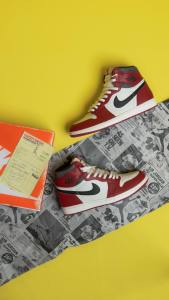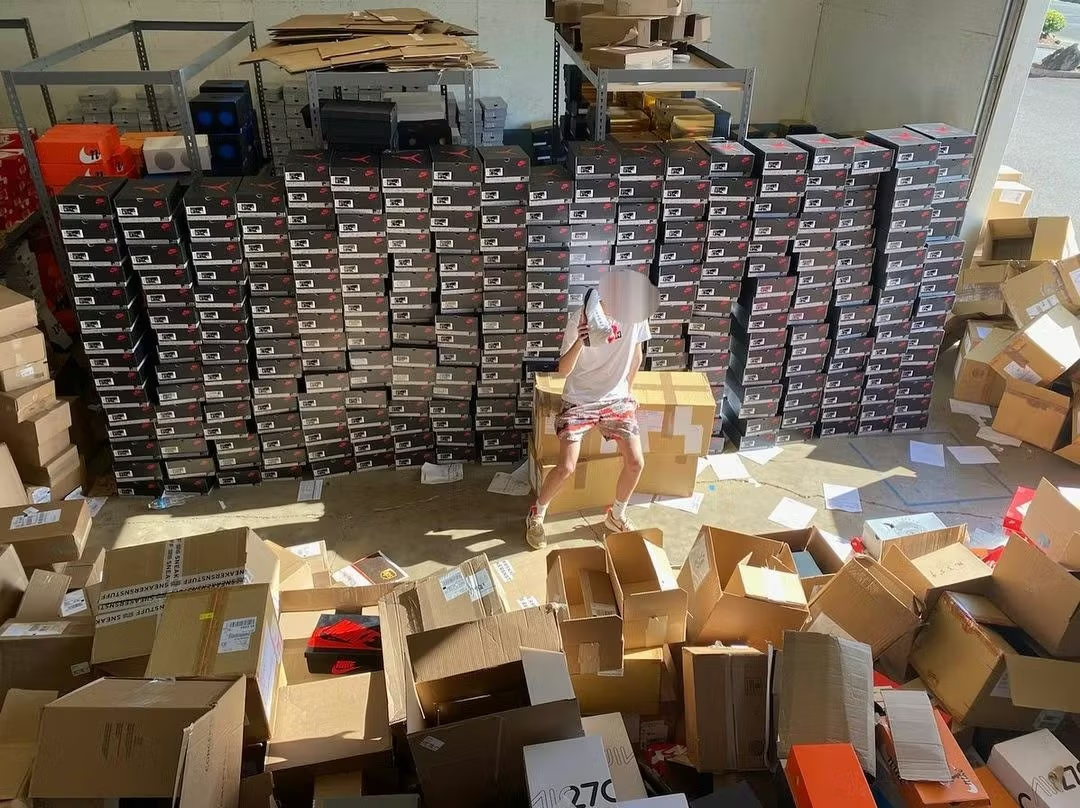
Sneaker reselling today looks very different from the boom years, when Jordans, Dunks and Yeezys sold out instantly and resold for over double retail. The market has changed, buyers are more selective, and brands are releasing more stock than before. With so much shifting, it’s fair to ask whether sneaker reselling is “dead.” The truth is it isn’t dead at all. It has changed, and it now takes more strategy than it used to.
This guide breaks down what’s happening in the sneaker market, why so many releases feel unprofitable, and which areas still make money. You’ll also see how cook groups, smart buying decisions and understanding retailer behaviour can make a big difference to your results.
The Current State of Sneaker Reselling
The sneaker resale market is still huge. Global demand keeps growing, and platforms like StockX, GOAT and eBay make it easier than ever for sellers to reach buyers. What has changed is how predictable profit is. Many releases no longer sell quickly, and pairs that used to sell well above retail can now lose money.
| Aspect | Past Market | Today’s Market |
|---|---|---|
| Profitability | Consistently high on many drops | Concentrated on limited or niche pairs |
| Stock Levels | Smaller runs | More restocks and wider availability |
| Buyer Trends | Hype-driven | Comfort and lifestyle-focused |
| Tools Needed | Basic sneaker knowledge | Data, alerts, and market insight |
Why Sneaker Reselling Feels “Dead” to Some People
1. Oversupply and Saturation
Major brands have produced far more pairs over the past few years, and when supply goes up, resale prices fall. Nike has started cutting production on certain models to rebuild hype, but the effects of oversupply are still being felt. You can’t count on every SNKRS release to make money, so you need to know which drops are actually rare and in demand.
2. Lower Resale Prices on Once-Reliable Models
Models that were once easy flips now sit close to retail, especially when restocks continue for weeks after launch. Transparent pricing on StockX and GOAT also keeps buyers from overpaying. Resellers who used to stock up on every major release have to be more selective.
3. Shifting Consumer Preferences
Many buyers now want comfort and everyday wear rather than hype-heavy designs. That shift has fuelled the rise of brands like On Running and Asics. They aren’t traditional “hype shoes,” but they’re in demand, so resellers need to look beyond the usual Nike, Jordan and Adidas drops if they want to make a profit.
4. Economic Pressure
With higher living costs, people are spending less on non-essential items. That hits resale demand too. Buyers are pickier and want to spend less, and only the strongest colourways or collaborations move fast.
Why Sneaker Reselling Is Still Very Much Alive
1. Limited Collabs Still Perform
Travis Scott releases, Jordan collabs, and certain Asics pairs continue to resell well. Exclusivity still drives demand. Strong history and low stock will always attract buyers willing to pay a higher price.
2. Rising Hype in New Categories
Asics, Hoka and Salomon have built serious momentum in the sneaker community. Many of their collabs and certain GR colourways sell out and hold value well. These brands often have smaller distribution and lower stock numbers, which can create resale opportunities.
| Category | Examples | Profit Level | Best Approach |
|---|---|---|---|
| Limited Collabs | Travis Scott, Off-White, JJJJound | High | Enter raffles, use early links and drops |
| Performance Brands | Asics, Hoka, Salomon | Medium | Track colourways and regional releases |
| Streetwear | Supreme, Bape, Fear of God | Medium | Diversify beyond just sneakers |
3. Cook Groups Give a Real Advantage
Cook groups have become essential for resellers who want consistent results. They provide restock alerts, release guides, raffle lists, price data, and support for both manual and botted setups. Instead of guessing which shoes might be profitable, you get information that helps you buy smarter. If you want to explore regional groups, you can check out:
4. Using Data and the Right Platforms
Modern reselling is built on data. Knowing where a pair sells best, what fees apply, and how fast it moves is key to protecting your margins. Some shoes perform best on StockX; others do better on Vinted or eBay depending on fees and audience. A stronger understanding of this helps resellers avoid buying pairs that may look good at a glance but actually lose money after selling fees.
5. Diversifying Makes Reselling More Stable
Resellers who mix sneakers with streetwear, collectibles, or other items often see steadier profits. It reduces dependence on Nike’s release calendar and gives you more ways to make money when sneaker drops are slow. There are even communities that focus on Tickets, Pokémon, and FBA if you want to branch out.
Understanding Retailer Restock Patterns
Retailers now spread stock across multiple restocks instead of releasing everything at once. They often restock quietly during low-traffic hours or add pairs into sales without announcing it. Outlets also move through stock faster than they used to. When you know when stores typically restock or discount items, you can take advantage of opportunities other resellers miss.
| Phase | Timing | What Happens | Reseller Tip |
|---|---|---|---|
| Release | Day 0–2 | Sellout or small restock | Quick flips on strong sizes |
| Early Restocks | Week 1–3 | Quiet online drops | Use alerts to secure more pairs |
| Sale/Outlet | Month 2–4 | Discounts and transfers | Look for profitable brick flips |
Is Sneaker Reselling Still Profitable?
Yes, but it’s not effortless. Profit now comes from choosing the right pairs, understanding what people actually want to buy, and using tools that help you buy at the right time. Successful resellers rely on data and patience rather than hype alone.
Tips for Staying Profitable
- Focus on actually limited releases.
- Avoid buying pairs with low early pricing and bids.
- Choose the right marketplace for each shoe.
- Join a cook group to stay ahead of restocks and trends.
- Be patient with pairs likely to rise in value.
Related reading: the best AI tools for resellers.
See also: the most expensive sneakers ever sold and the most expensive New Balance sneakers.
Final Thoughts
Sneaker reselling isn’t dead, it’s just changed. The days of flipping every Jordan or Yeezy are gone, but the demand for limited sneakers and strong collaborations is still very real. Resellers who adapt, use better information, and stay selective continue to make profits. The key is moving with the market, not against it.